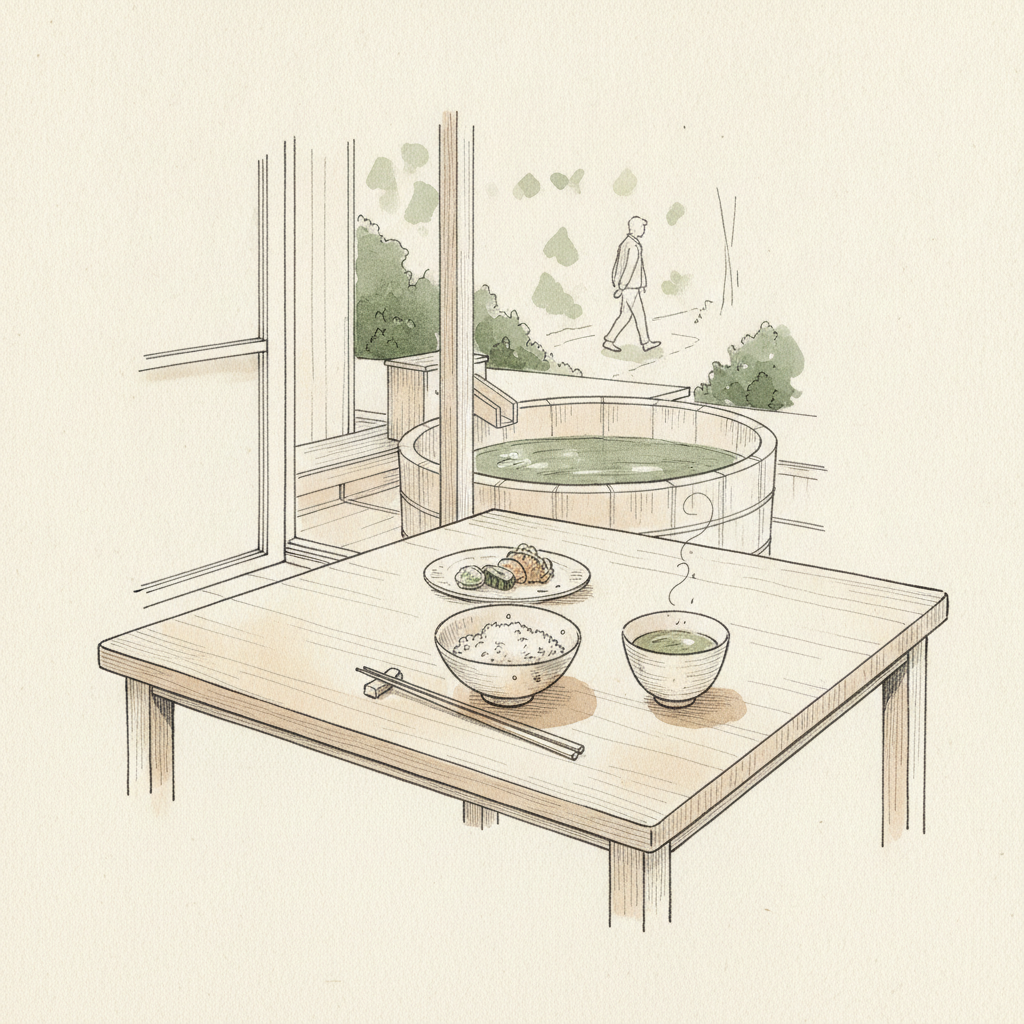
The soft light of a spring morning filters through shoji screens in Okinawa, a rhythm of life unfolding with quiet intention. Here, longevity is not merely a genetic lottery but a carefully cultivated art, woven into daily habits that nurture both body and mind.
This island wisdom offers a compelling counter-narrative to the relentless pursuit of peak performance. It suggests that true endurance comes not from constant output, but from intelligent, integrated recovery.
Hara Hachi Bu: The 80% Principle
At the heart of Okinawan dietary practice is hara hachi bu, the principle of eating until one is 80 percent full. This mindful approach to nutrition avoids the energy crash often associated with overeating, maintaining a steady metabolic rhythm throughout the day.
It is a practice of subtle restraint, fostering a harmonious relationship with food rather than a strict regimen. The goal is to feel satisfied, never overly stuffed, leaving room for the body to digest with ease.
- Mindful Portioning: Serving smaller amounts, allowing for a second helping if truly needed, rather than starting with an overflowing plate.
- Slow Eating: Chewing thoroughly and pausing between bites allows the body time to register fullness, typically around 20 minutes.
Post-Meal Movement & Green Tea Rituals
Immediately after a meal, Okinawans often engage in a short, gentle walk. This simple habit aids digestion, regulates blood sugar, and prevents the post-lunch slump that can derail an afternoon’s work.
This gentle movement is a profound contrast to the sedentary habits prevalent in many modern workplaces. It’s a quiet recalibration, preparing the mind for renewed focus, much like the precise preparation of a workspace described in Ma and the Mindful Workspace: Cultivating Focus Through Japanese Minimalism.
Following this, a cup of green tea, particularly matcha or sencha, is common. The L-theanine in green tea provides a calm, sustained alertness without the jitters of excessive caffeine, supporting deep cognitive work.
“True productivity is not about working harder, but about working smarter, and resting with greater intention.”
- L-theanine Benefits: Promotes alpha brain waves, associated with relaxed alertness and improved focus, ideal for sustained concentration.
- Timing: Consume green tea 30-60 minutes after a meal to aid digestion and leverage L-theanine’s calming effects.
Ofuro: The Evening Bathing Ritual
As evening approaches, the Japanese bathing ritual, ofuro, becomes central to recovery. This deep soak in hot water, often preceded by a thorough wash, is more than hygiene; it is a profound act of physical and mental unwinding.
This practice signals to the body and mind that the day’s demands are receding, preparing for restorative sleep. The warmth penetrates muscles, releasing tension, and calming the nervous system.
- Preparation: Cleanse the body thoroughly with soap and water outside the tub before entering.
- Soak: Immerse yourself in hot water (typically 38-42°C or 100-108°F) for 15-20 minutes, allowing the heat to relax muscles and open pores.
- Mindfulness: Use this time for quiet reflection, detaching from the day’s events, and focusing on breath.
Measuring Recovery: HRV and Deep Sleep
For health-conscious individuals tracking metrics like Heart Rate Variability (HRV) and deep sleep, these Japanese recovery habits offer measurable benefits. Consistent ofuro can significantly improve deep sleep cycles, reducing sleep latency and increasing restorative phases.
The combination of hara hachi bu, post-meal walks, green tea, and ofuro works synergistically. It creates a holistic system that supports the parasympathetic nervous system, leading to higher HRV scores—an indicator of better recovery and resilience, essential for founders and remote professionals engaged in intentional work, much like the continuous improvement cycles discussed in The Solopreneur’s Kaizen: Adapting Toyota’s Continuous Improvement for One-Person Operations.
The quiet wisdom of Okinawa reminds us that sustaining deep focus is not about pushing harder, but about cultivating a life balanced with intentional pauses. These everyday practices, refined over generations, offer a gentle yet powerful path to enduring vitality.
They are a subtle invitation to integrate moments of thoughtful recovery, transforming the ordinary into a profound act of self-care and sustained presence.