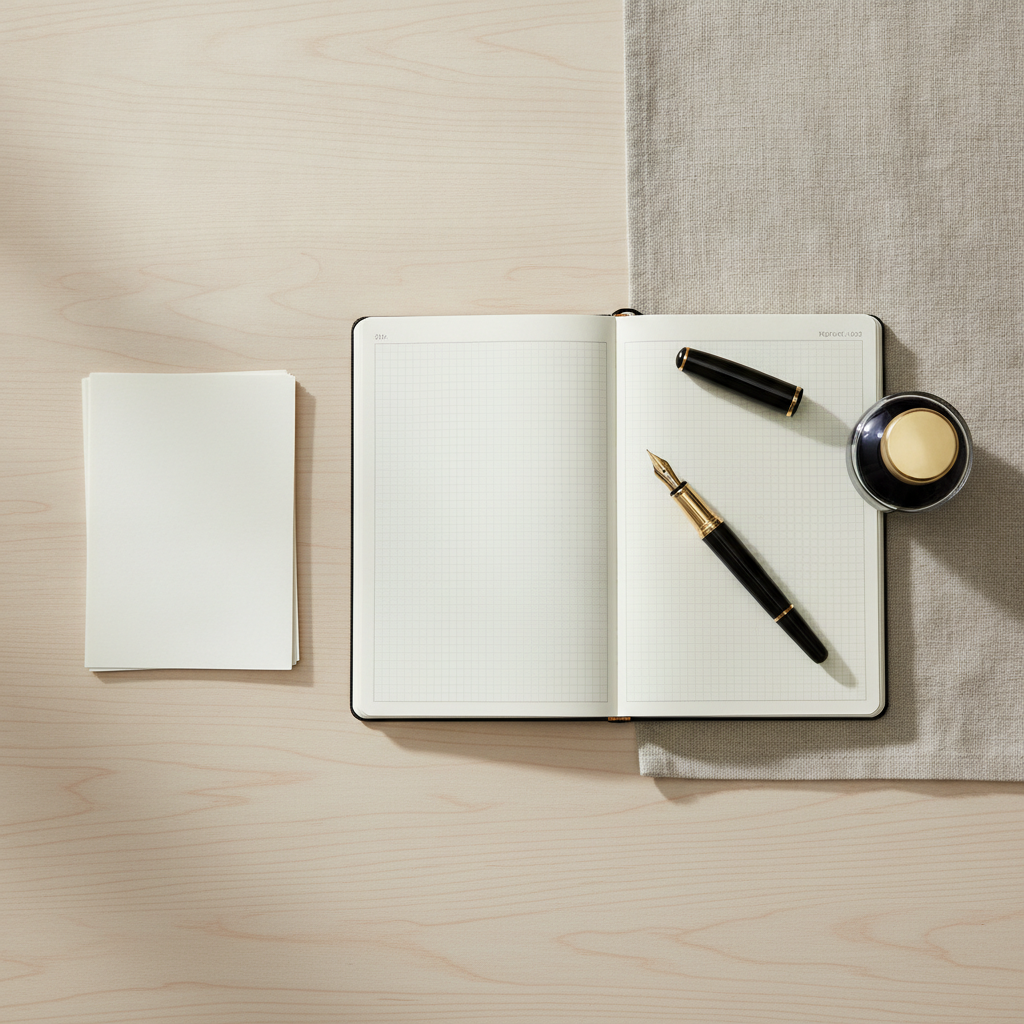
In an era defined by relentless digital notifications and the fleeting nature of screen-based work, a quiet resurgence is taking hold. Knowledge workers, once tethered to an endless stream of applications and alerts, are rediscovering the profound benefits of analog tools—particularly those rooted in Japanese craftsmanship.
This shift isn’t merely nostalgic; it’s a deliberate choice for enhanced focus, deeper memory retention, and a more intentional approach to productivity. The tactile experience of pen on paper offers a distinct counterpoint to the ephemeral glow of a screen, fostering a connection that digital interfaces often obscure.
The Tactile Revolution: Tomoe River Paper and Fountain Pens
The foundation of this analog revival often begins with the tools themselves. Tomoe River paper, renowned for its ultra-thin yet incredibly smooth surface, transforms the act of writing into a sensory pleasure. Its unique composition handles fountain pen ink with minimal bleed-through, showcasing the subtle nuances of each stroke.
Pairing this paper with a well-balanced fountain pen elevates the experience further. The controlled flow of ink, the gentle resistance of the nib, and the deliberate pressure required create a mindful engagement that digital typing simply cannot replicate. This deliberate process fosters a deeper connection to the task at hand.
“The deliberate act of putting pen to paper forces a pause, a moment of reflection that is often lost in the rapid-fire nature of digital input.”
Why Tactility Matters for Cognition
Research suggests that the physical act of writing by hand activates different parts of the brain compared to typing. This engagement can lead to improved memory recall and a more thorough understanding of complex information. The tactile feedback reinforces learning.
Furthermore, the absence of digital distractions inherent in analog tools allows for sustained periods of deep work. There are no pop-up notifications, no tempting tabs, and no endless scrolls to pull focus away from the primary objective. It’s a sanctuary for concentration.
Hobonichi Techo: A System for Intentional Living
At the heart of many analog productivity systems lies the Hobonichi Techo, a Japanese daily planner celebrated for its thoughtful design. Utilizing Tomoe River paper, it offers a flexible canvas for time-blocking, journaling, and capturing ideas, encouraging a holistic view of daily life.
- Daily Layouts: Each day gets a full page, providing ample space for detailed planning, reflections, and notes. This generous format encourages thoroughness rather than rushed entries.
- “Today’s Words”: Inspiring quotes on each page offer small moments of reflection, subtly guiding a more mindful approach to productivity and personal growth.
- Flexible Grids: The subtle grid layout allows for both structured writing and creative freeform expression, accommodating diverse planning styles.
The Hobonichi system encourages a deliberate approach to scheduling, where each task is consciously allocated time. This contrasts sharply with the often-reactive nature of digital calendars, which can quickly become overwhelming with endless, uncategorized entries.
Beyond the Screen: Japanese Craftsmanship and Focus
The philosophy behind these tools extends beyond mere utility; it embodies a broader appreciation for craftsmanship and intentionality. Just as discerning individuals value the enduring quality of Japanese carbon steel knives for their precision and longevity, so too do they seek the reliability and sensory richness of fine stationery.
This commitment to quality in tools mirrors a commitment to quality in work. The satisfaction derived from using a finely crafted item, whether it’s a meticulously designed planner or a piece of Okayama selvedge denim, fosters a deeper appreciation for the process itself.
Cultivating a Distraction-Free Workspace
Adopting an analog system often prompts a re-evaluation of one’s entire workspace. Creating a dedicated area free from digital clutter—a space where only your planner, pens, and essential resources reside—can significantly enhance focus.
- Declutter Digitally: Turn off notifications on all non-essential devices when engaging in deep work. Consider a “digital detox” period each day.
- Organize Physically: Ensure your analog tools are neatly arranged and easily accessible. A clean physical space promotes a clear mental space.
- Establish Rituals: Begin your workday with a simple analog ritual, such as planning your top three priorities in your Hobonichi. This sets an intentional tone.
This deliberate curation of both digital and physical environments is key to unlocking sustained periods of deep work. It’s about designing your surroundings to support your cognitive processes, rather than constantly fighting against them.
Reclaiming Focus in a Distracted World
The embrace of Japanese analog productivity tools is more than a trend; it’s a conscious rebellion against the relentless pace of digital life. It offers a tangible path back to sustained focus, deeper engagement, and a more mindful existence for knowledge workers.
By choosing the tactile over the ephemeral, and the deliberate over the reactive, professionals can cultivate a more resilient and rewarding approach to their work. The quiet power of paper and pen proves to be a formidable shield against the pervasive threat of digital burnout.