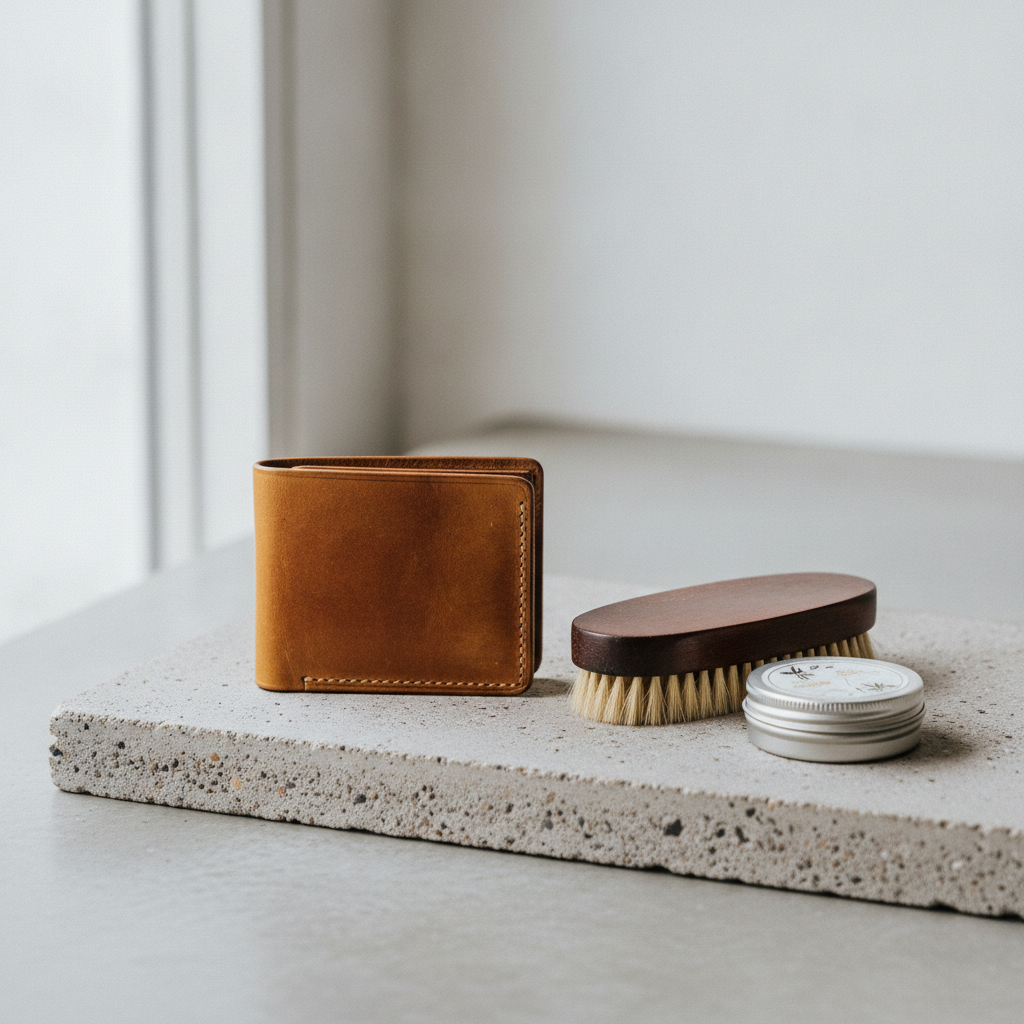
In the realm of artisanal goods, few materials command the reverence of fine leather. Yet, discerning collectors and everyday-carry enthusiasts often seek more than mere aesthetics; they pursue an inherent durability, a story woven into the very fibers of their possessions. This quest frequently leads them to the unparalleled world of Japanese pit-tanned leather.
Here, craftsmanship transcends mere production. It embodies a philosophy of patience and precision, yielding a material that not only endures the rigors of time but flourishes, developing a character unmatched by its more rapidly processed counterparts. This is the essence of intentional living, manifest in a material designed to last a lifetime and beyond.
The Art of Time: Pit-Tanning in Japan
The distinction of Japanese leather, particularly from regions like Tochigi and Himeji, begins with its tanning process. Unlike the common industrial drum-tanning that rushes hides through chemicals in mere days, Japanese artisans employ an ancient, laborious pit-tanning method.
This meticulous process immerses hides in natural tannin pits for an astonishing 30 days or even longer. This extended period allows the tannins to slowly and deeply penetrate every fiber, naturally strengthening the leather from within and imparting a dense, resilient structure.
A Contrast in Craft
Rapid drum-tanning, while efficient, often strips the hide of its natural oils and integrity, relying on chemical retanning and artificial finishes. The result is leather that initially looks appealing but lacks the deep-seated robustness and longevity inherent in pit-tanned varieties.
Japanese pit-tanning, conversely, preserves the hide’s inherent qualities. It creates a leather that is not only incredibly strong but also retains a supple, natural feel, ready to adapt and age gracefully alongside its owner.
“True quality in leather isn’t found in its initial polish, but in its ability to tell a story through decades of use, bearing the marks of a life well-lived.”
The Science of Longevity: Natural Oils and Patina
The extended pit-tanning process is crucial for retaining the hide’s natural oils, which are vital for its longevity and distinctive character. These oils act as an internal conditioning system, keeping the leather flexible, preventing cracking, and enhancing its resistance to wear.
As Japanese pit-tanned leather is used, these natural oils, combined with exposure to light, air, and the oils from one’s hands, initiate a remarkable transformation. The surface gradually deepens in color, developing a unique sheen known as patina.
This patina is not a flaw but a testament to its authenticity and journey. Each scratch, scuff, and touch contributes to a unique narrative, making every item truly one-of-a-kind. It is a living surface that evolves beautifully over time.
Beyond Durability: The Italian vs. Japanese Distinction
Italian vegetable-tanned leather is widely celebrated for its quality, vibrant colors, and luxurious feel. It is indeed a premium product, often produced with centuries-old traditions and a keen eye for aesthetic appeal.
However, the primary difference often lies in the tanning duration and philosophy. While Italian tanneries are renowned for their artistry, Japanese pit-tanning emphasizes an extreme, almost obsessive, dedication to maximizing durability and natural aging potential.
This commitment to a longer, more arduous process yields a leather that, while perhaps less common, is specifically engineered for the “buy-it-for-life” ethos. It is designed to withstand generations of use, becoming a true heritage item.
Cultivating Character: A Care Routine for Heritage Leather
Caring for Japanese pit-tanned leather is an exercise in mindful preservation, not over-maintenance. Its inherent robustness means it requires less intervention than many other leathers, allowing its natural beauty to emerge.
- Daily Dusting: Use a soft, natural horsehair brush to gently remove surface dust and debris. This simple act keeps the pores clear and encourages an even patina development, polishing the surface without abrasive action.
- Minimal Conditioning: Apply a high-quality, natural leather conditioner sparingly, only when the leather feels dry or stiff. For most daily-carry items, this might be once or twice a year, or even less frequently.
- Gentle Application: Dispense a pea-sized amount of conditioner onto a soft cloth. Apply in thin, even layers, working it into the leather in small circular motions. Allow it to absorb fully before buffing gently with a clean cloth.
- Proper Storage: When not in use, store your leather items in a breathable dust bag or a cool, dry place away from direct sunlight and extreme temperatures. Avoid plastic bags, which can trap moisture and prevent the leather from breathing.
- Embrace the Journey: Avoid the urge to over-condition or polish excessively. The true beauty of Japanese pit-tanned leather lies in its natural evolution and the unique character it develops through genuine use and minimal, intentional care.
Japanese pit-tanned leather offers more than just a material; it provides a tangible connection to a philosophy of enduring quality and deliberate creation. It is a testament to the idea that some things are worth waiting for, worth the painstaking effort, to achieve true excellence.
For those who seek items that grow richer with age, that tell a personal story through their evolving surface, this leather represents the pinnacle of craftsmanship. It is an investment not just in an object, but in a legacy of intentional living and lasting beauty.