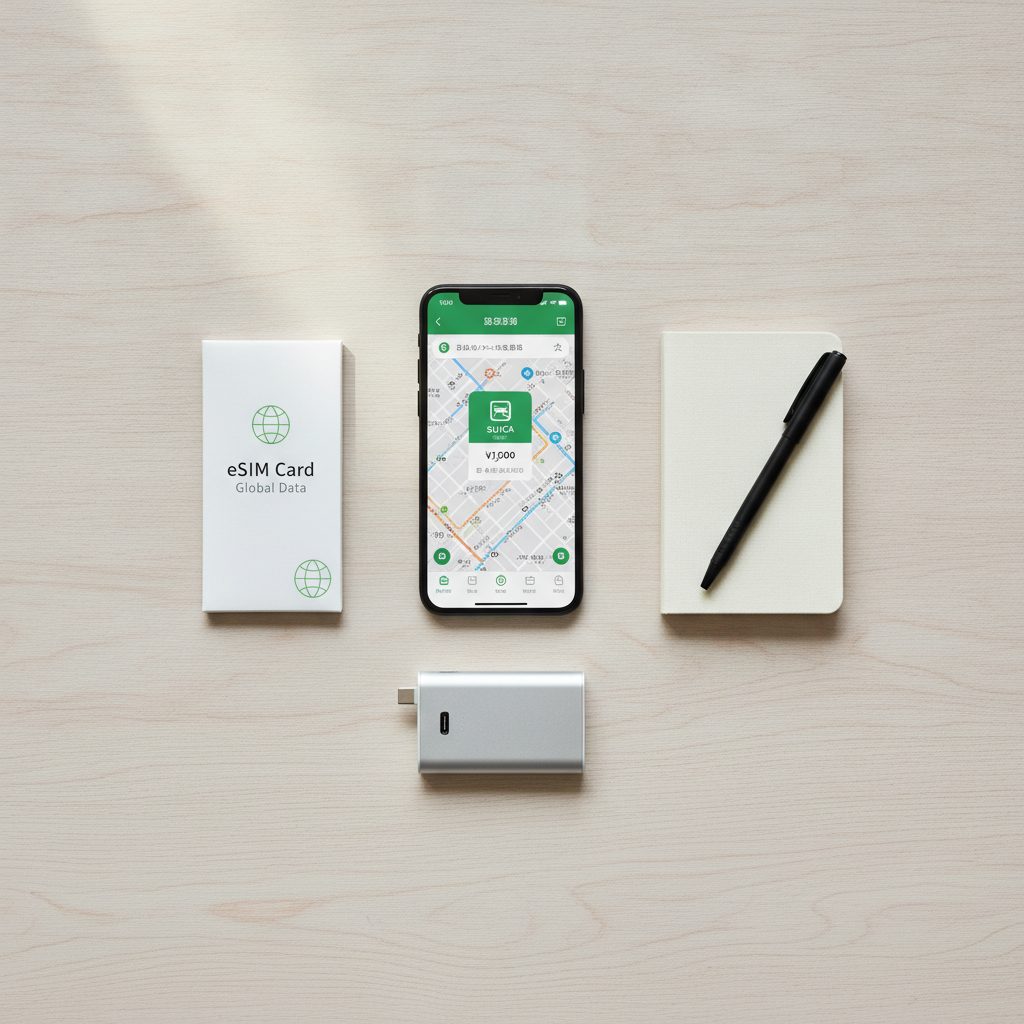
Japan offers a unique cadence for the discerning slowmad, a place where ancient traditions seamlessly intertwine with hyper-modern efficiency. This guide distills the essentials for a productive and culturally immersive stay, ensuring your focus remains on deep work and meaningful exploration.
From seamless connectivity to serene work havens, preparing for your arrival with intention will unlock the true potential of remote work within this captivating archipelago. It is about embracing a deliberate pace, much like the mindful approach to craftsmanship.
Seamless Connectivity: eSIMs and IC Cards
Establishing reliable connectivity is paramount for any remote worker. While pocket Wi-Fi devices were once the standard, modern eSIM technology now offers a more streamlined and efficient solution for high-speed data access across Japan.
- eSIM Advantage: Opt for a reputable eSIM provider like Ubigi or Airalo for immediate, high-speed data upon arrival. This eliminates the hassle of device rentals and ensures consistent connectivity for navigation and communication.
- Physical SIM Alternatives: For longer stays, a physical SIM from providers like Mobal or IIJmio can be cost-effective, but requires an unlocked phone and a slightly more involved setup process post-arrival. Evaluate your stay duration and data needs.
Beyond data, the integrated circuit (IC) card is your indispensable companion for transit and small purchases. Think of it as your digital wallet for everyday Japanese life, simplifying countless interactions.
- Mobile Suica/ICOCA: Set up Mobile Suica (for iOS) or Mobile ICOCA (for Android) on your smartphone before you land. Link it to Apple Pay or Google Pay for effortless top-ups and tap-and-go convenience on trains, buses, and at konbini.
- Physical IC Cards: If your phone isn’t compatible, purchase a physical Suica or ICOCA card at any major JR station. While less seamless than mobile versions, they are still far more convenient than buying individual tickets.
Cultivating Focus: Quiet Work Cafes and Coworking Spaces
Japan excels in spaces designed for quiet contemplation and focused work, a testament to its cultural appreciation for concentration. Finding your ideal work environment is key to maintaining productivity while absorbing local nuances.
“The Japanese concept of ‘Ma’ — the intentional pause or negative space — extends beautifully to workspaces, fostering environments conducive to deep focus and creative thought.”
Kissaten, traditional Japanese coffee shops, offer a unique, subdued atmosphere. They are ideal for focused tasks, though prolonged laptop use might be less common than in dedicated coworking spaces.
- Kissaten Etiquette: Order a drink and perhaps a light snack. Keep your voice low, take calls outside, and limit your stay to a few hours during peak times. These are places for quiet enjoyment, not loud collaboration.
For more extended work sessions and reliable power outlets, coworking spaces are an excellent choice. Major cities like Tokyo, Osaka, and Kyoto boast numerous options, from modern, minimalist hubs to more casual, open-plan environments.
- Coworking Benefits: Many offer day passes, meeting rooms, and high-speed Wi-Fi. Look for chains like WeWork, The Hive, or local independent spaces that cater to digital nomads. This is where you can truly implement a Ma and the Mindful Workspace: Cultivating Focus Through Japanese Minimalism approach.
Tax-Free Shopping and Intentional Purchases
Japan offers a compelling tax-free shopping program for temporary visitors, allowing you to reclaim the 10% consumption tax on eligible purchases. This is particularly advantageous for high-value items or souvenirs.
- Eligibility: You must be a non-resident staying in Japan for less than six months. Present your passport with a temporary visitor stamp at participating stores (look for the “Tax-Free” logo).
- Minimum Spend: A minimum purchase of ¥5,000 (excluding tax) at a single store on the same day is typically required for general goods. Consumables (food, cosmetics, etc.) also have a ¥5,000 minimum but must be sealed.
Consider investing in quality items that align with your slowmad philosophy. Perhaps some exquisite The Analog Advantage: Japanese Stationery as a Shield Against Digital Burnout to enhance your workflow, or a beautifully crafted piece for your home.
An Arrival Checklist for the Discerning Slowmad
- eSIM Activation: Purchase and activate your Japan eSIM before departure. Test it upon landing to ensure immediate connectivity.
- Mobile IC Card Setup: Load Mobile Suica or ICOCA onto your smartphone and link it to your preferred payment method for effortless transit.
- Cash Essentials: While Japan is increasingly cashless, carry some yen for smaller establishments, vending machines, and emergencies. ATMs are widely available.
- Portable Charger: A quality power bank is indispensable for long days of exploration and remote work, keeping your devices charged on the go.
- Noise-Canceling Headphones: Essential for maintaining focus in cafes or during travel, creating your own portable sanctuary of calm.
- Work Essentials: Pack a lightweight, ergonomic setup. Consider a portable monitor or compact keyboard if your work demands it. Embrace a minimalist approach to your gear.
Embracing the slowmad lifestyle in Japan is about more than just working remotely; it is about intentional immersion. By streamlining your digital and logistical needs, you create space for deeper engagement with the culture, the people, and the profound sense of peace that permeates daily life here.
This deliberate approach, much like the continuous improvement found in Japanese manufacturing, allows for a richer, more productive, and truly transformative experience. Japan awaits, ready to inspire both your work and your wanderlust.