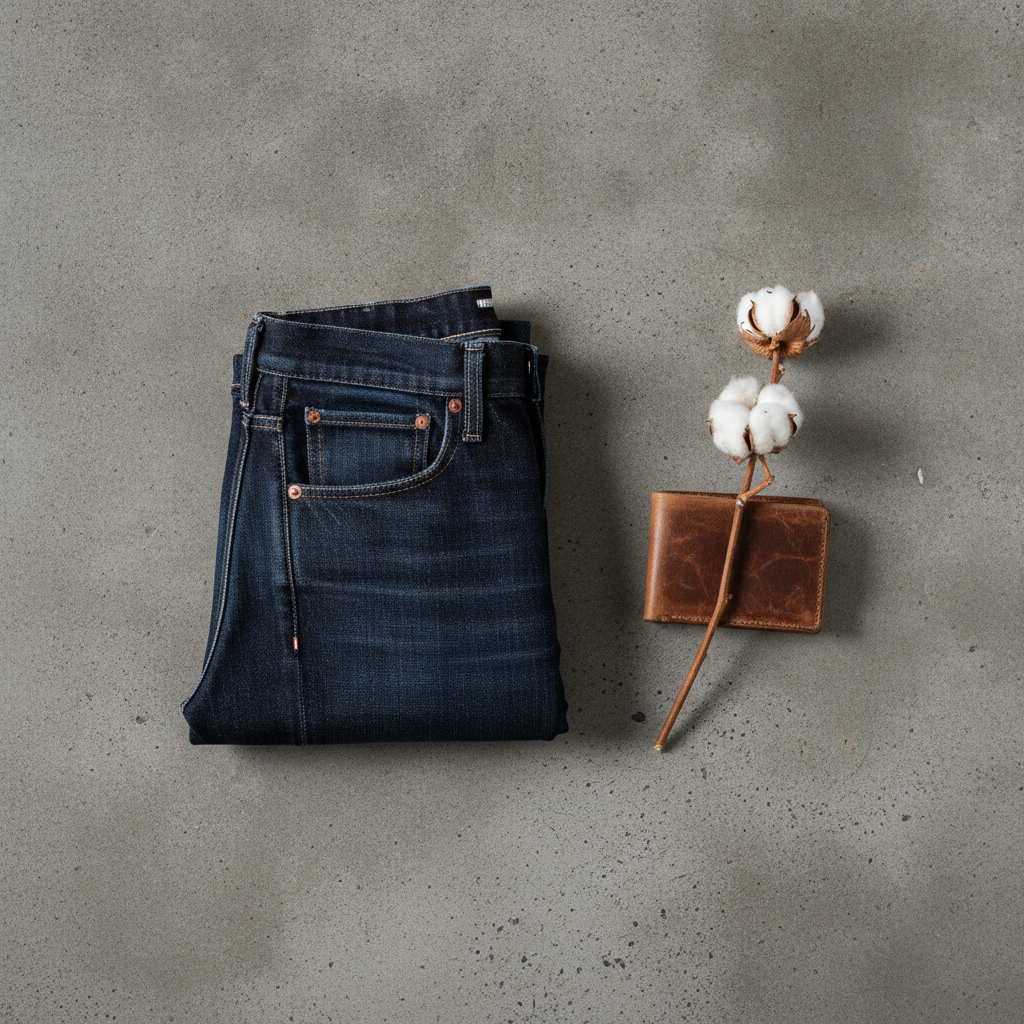
In the realm of heritage menswear, few garments command the reverence of selvedge denim, particularly those originating from Okayama, Japan. This region has become synonymous with an uncompromising dedication to craftsmanship, transforming simple cotton into a canvas for personal history. The unique character of each pair, marked by individualized fades, tells a story woven into its very fibers. Yet, achieving those coveted high-contrast whiskers and honeycombs requires an understanding of the denim’s intricate construction and a measured approach to its care. It is a slow pursuit, yielding rich rewards for the patient wearer. The journey begins with the very loom that births the fabric, a testament to an enduring artisanal legacy.
Okayama’s reputation is built on generations of textile expertise, where tradition meets meticulous innovation. From the selection of raw cotton to the final stitch, every step is executed with precision, differentiating these garments from mass-produced alternatives. This commitment to quality ensures not only exceptional durability but also a distinctive aesthetic that evolves beautifully with time, reflecting the intentional living philosophy of its wearer.
The Soul of Selvedge: Toyoda Looms and Artisan Weaving
At the heart of Okayama’s selvedge denim lies the venerable Toyoda G3 shuttle loom, a relic of early 20th-century textile engineering. Unlike modern projectile looms that produce uniform, high-tension fabrics, these slow-moving machines weave with a remarkably low tension. This deliberate pace allows for subtle inconsistencies and slubby textures, imparting a unique character to the denim.
The low-tension weaving process creates a fabric that is inherently irregular, with slight variations in thickness and weave density. These imperfections are not flaws but rather signature characteristics that contribute significantly to the denim’s distinct hand-feel and its ability to develop pronounced, textured fades over time. It is a deliberate embrace of the artisanal.
The Selvedge Edge
Another hallmark of shuttle-loomed denim is the ‘self-edge’ or selvedge, typically identifiable by a colored thread running along the outseam. This tightly woven edge prevents fraying, offering superior durability and a clean finish. It is a visual cue signifying the denim’s traditional production method and its premium quality.
The Indigo Depth: Rope Dyeing for High Contrast
The distinctive fading potential of Okayama denim is intrinsically linked to its natural indigo dye and the traditional rope-dyeing technique. Unlike modern dyeing methods that penetrate the cotton fibers entirely, rope dyeing ensures only the outer layers of the yarn absorb the indigo. The core of the yarn remains undyed, a crucial factor in achieving those sharp, high-contrast fades.
During the rope-dyeing process, bundles of cotton yarns are repeatedly dipped into vats of natural indigo dye, then exposed to air for oxidation, and finally dipped again. This cyclical process builds up layers of indigo on the yarn’s surface, creating a rich, deep blue hue. The undyed core is eventually exposed through wear, revealing the intricate patterns of whiskers and honeycombs.
“True character in denim emerges not from perfection, but from the beautiful imperfections crafted by time and traditional methods.”
Weight and Wear: Choosing Your Denim Journey
Selecting the right denim weight is a pivotal decision that influences both comfort and fading characteristics. Lighter denim, typically around 13oz, offers a quicker break-in period and greater breathability, making it suitable for warmer climates or those new to raw denim. Its fades tend to be softer and less pronounced.
Conversely, heavy-weight denim, often 18oz or more, demands a more rigorous break-in but yields spectacular, high-contrast fades. The stiffness of heavier fabric creates sharper creases, leading to more defined whiskers and honeycombs. It is a commitment that pays dividends in unique, personalized wear patterns.
The Fade Blueprint: A Washing Protocol
Achieving iconic fades requires patience and a strategic approach to washing. The primary goal is to allow natural creases and wear patterns to set before the first wash, which locks them in. This careful balance ensures both longevity and aesthetic appeal, much like the meticulous care required for Japanese pit-tanned leather.
- Initial Wear (6-12 Months): Avoid washing: Wear your raw denim daily during this period. The natural oils from your body, combined with friction from movement, will begin to set the creases for whiskers and honeycombs. Spot clean minor spills with a damp cloth.
- First Wash (After 6-12 Months): Soak in cool water: Turn the jeans inside out, immerse them in a tub of cool water with a minimal amount of gentle detergent. Agitate gently, then rinse thoroughly. Hang dry away from direct sunlight.
- Subsequent Washes (Every 3-6 Months): Machine wash on delicate: Continue to turn jeans inside out. Use a cold, delicate cycle with a mild, indigo-safe detergent. Avoid fabric softeners. Always hang dry to prevent shrinkage and preserve the integrity of the denim.
This measured washing timeline allows the indigo to slowly abrade in areas of high stress, revealing the undyed core beneath. The resulting contrast is what gives well-worn selvedge denim its iconic, personalized aesthetic, a true reflection of your journey.
The world of Okayama selvedge denim offers more than just a garment; it presents an invitation to engage with a philosophy of intentional consumption and appreciation for enduring craftsmanship. Each fade, each crease, is a testament to moments lived, journeys taken, and the quiet beauty of a material that evolves alongside you.
Embracing this slow process transforms a simple pair of jeans into a cherished artifact, a canvas of personal history that only improves with age and wear. It stands as a powerful counterpoint to disposable fashion, offering a tangible connection to the skilled hands and profound heritage that brought it into being.