Author: nmj

  • The Edge of Precision: Mastering Japanese Carbon Steel Knives and the Art of Whetstone Sharpening

    The Edge of Precision: Mastering Japanese Carbon Steel Knives and the Art of Whetstone Sharpening

    In the realm of culinary tools, few instruments command the reverence and precision of a Japanese carbon steel knife. These aren’t merely utensils; they are extensions of the chef’s hand, embodying centuries of blacksmithing tradition and a philosophy of purpose-driven design.

    Their exceptional sharpness and edge retention are legendary, but they demand a different kind of respect and maintenance than their softer stainless steel counterparts. Understanding their unique metallurgy and geometry is the first step towards unlocking their full potential in your kitchen.

    The Heart of the Blade: Shirogami and Aogami Steels

    Japanese carbon steel knives, or Wa-Bocho, are renowned for their ability to achieve an incredibly fine edge. This is largely due to their composition, often featuring high-carbon white steel (Shirogami) or blue steel (Aogami).

    Unlike the softer, more flexible stainless steels common in Western knives, these Japanese carbons are harder and hold a superior edge. They allow for intricate cuts and retain their keenness through demanding tasks, making them a favorite among discerning cooks and professionals.

    “The true measure of a blade lies not just in its initial sharpness, but in its capacity to be reawakened, time and again, to its original keenness.”

    Asymmetric Geometry: The Single-Bevel Advantage

    A defining characteristic of many traditional Japanese knives is their single-bevel, or kataba, geometry. This means only one side of the blade is ground to create the cutting edge, while the other side remains flat or slightly concave.

    This asymmetric design allows for an extraordinarily acute edge angle, far sharper than typical double-bevel knives. It enables precision slicing, delicate filleting, and the fine manipulation of ingredients with unparalleled control.

    • Right-handed grind: Most single-bevel knives are ground for right-handed users, with the bevel on the right side of the blade. Left-handed versions are available but less common.
    • Specialized tasks: This geometry excels in tasks like preparing sushi (Yanagiba), filleting fish (Deba), and finely slicing vegetables (Usuba), where clean, single-pass cuts are paramount.

    The Ritual of Sharpening: Whetstone Mastery

    Sharpening a Japanese carbon steel knife is less a chore and more a meditative practice. It’s an essential skill that connects the user to the tool, ensuring its longevity and performance. Ditching electric sharpeners for a quality whetstone is crucial.

    This process is fundamental to maintaining the extreme sharpness these knives are capable of. It’s a rewarding skill that deepens one’s appreciation for the blade and its capabilities, much like the focused attention given to The Analog Advantage: Japanese Stationery as a Shield Against Digital Burnout.

    Step-by-Step Whetstone Routine

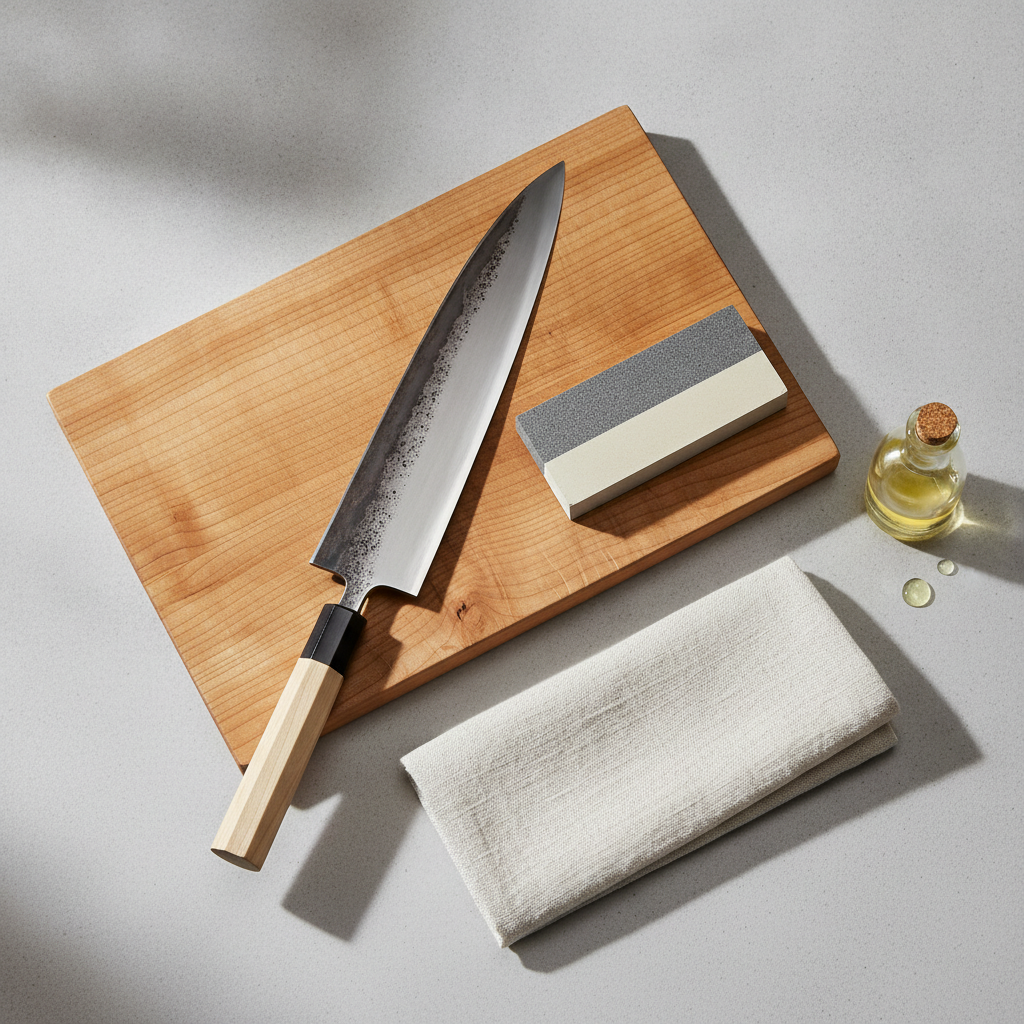
    For a truly sharp edge, a dual-grit whetstone (e.g., 1000/6000 grit) is ideal. Always start by soaking your whetstone in water until it stops bubbling.

    1. 1000-Grit (Coarse Side): Begin with the coarser side to establish the primary bevel. Hold the knife at a consistent, low angle (typically 10-15 degrees for single-bevel knives), maintaining even pressure.
    2. Burr Formation: Sharpen one side until a slight burr forms along the opposite edge. You can feel this tiny wire edge by gently running your fingertip away from the cutting edge.
    3. Refining the Burr: Flip the knife and, for a single-bevel, lightly remove the burr with a few gentle passes on the flat side of the blade against the stone. For double-bevel, repeat the sharpening process on the second side until a burr forms, then alternate light passes on both sides to remove it.
    4. 6000-Grit (Fine Side): Switch to the finer grit side. Repeat the same angle and pressure, focusing on polishing the edge and removing any remaining micro-burrs. This step refines the edge to razor sharpness.
    5. Stropping: For an even finer edge, consider a leather strop. A few passes will align the microscopic imperfections along the edge, bringing it to its peak sharpness, similar to how careful maintenance enhances The Enduring Legacy: Why Japanese Pit-Tanned Leather Outlasts and Outshines.

    Rust Prevention and Care

    High-carbon steel, while incredibly sharp, is susceptible to rust and discoloration. This reactivity is part of its character, developing a unique patina over time, but it requires diligent care.

    After each use, immediately hand wash and thoroughly dry your knife. Never let it air dry or sit in a sink. A thin layer of food-grade mineral oil applied after drying will provide an additional barrier against moisture, preserving its pristine edge.

    Embracing Japanese carbon steel knives is an invitation to a more deliberate and rewarding culinary experience. It’s a commitment to craftsmanship, precision, and the mindful practice of sharpening and care.

    This journey fosters a deeper connection to the tools we use daily, transforming routine kitchen tasks into moments of focused artistry. The unparalleled performance of a well-maintained Wa-Bocho truly elevates the act of cooking.


  • The Analog Advantage: Japanese Stationery as a Shield Against Digital Burnout

    The Analog Advantage: Japanese Stationery as a Shield Against Digital Burnout

    In an era defined by relentless digital notifications and the fleeting nature of screen-based work, a quiet resurgence is taking hold. Knowledge workers, once tethered to an endless stream of applications and alerts, are rediscovering the profound benefits of analog tools—particularly those rooted in Japanese craftsmanship.

    This shift isn’t merely nostalgic; it’s a deliberate choice for enhanced focus, deeper memory retention, and a more intentional approach to productivity. The tactile experience of pen on paper offers a distinct counterpoint to the ephemeral glow of a screen, fostering a connection that digital interfaces often obscure.

    The Tactile Revolution: Tomoe River Paper and Fountain Pens

    The foundation of this analog revival often begins with the tools themselves. Tomoe River paper, renowned for its ultra-thin yet incredibly smooth surface, transforms the act of writing into a sensory pleasure. Its unique composition handles fountain pen ink with minimal bleed-through, showcasing the subtle nuances of each stroke.

    Pairing this paper with a well-balanced fountain pen elevates the experience further. The controlled flow of ink, the gentle resistance of the nib, and the deliberate pressure required create a mindful engagement that digital typing simply cannot replicate. This deliberate process fosters a deeper connection to the task at hand.

    “The deliberate act of putting pen to paper forces a pause, a moment of reflection that is often lost in the rapid-fire nature of digital input.”

    Why Tactility Matters for Cognition

    Research suggests that the physical act of writing by hand activates different parts of the brain compared to typing. This engagement can lead to improved memory recall and a more thorough understanding of complex information. The tactile feedback reinforces learning.

    Furthermore, the absence of digital distractions inherent in analog tools allows for sustained periods of deep work. There are no pop-up notifications, no tempting tabs, and no endless scrolls to pull focus away from the primary objective. It’s a sanctuary for concentration.

    Hobonichi Techo: A System for Intentional Living

    At the heart of many analog productivity systems lies the Hobonichi Techo, a Japanese daily planner celebrated for its thoughtful design. Utilizing Tomoe River paper, it offers a flexible canvas for time-blocking, journaling, and capturing ideas, encouraging a holistic view of daily life.

    • Daily Layouts: Each day gets a full page, providing ample space for detailed planning, reflections, and notes. This generous format encourages thoroughness rather than rushed entries.
    • “Today’s Words”: Inspiring quotes on each page offer small moments of reflection, subtly guiding a more mindful approach to productivity and personal growth.
    • Flexible Grids: The subtle grid layout allows for both structured writing and creative freeform expression, accommodating diverse planning styles.

    The Hobonichi system encourages a deliberate approach to scheduling, where each task is consciously allocated time. This contrasts sharply with the often-reactive nature of digital calendars, which can quickly become overwhelming with endless, uncategorized entries.

    Beyond the Screen: Japanese Craftsmanship and Focus

    The philosophy behind these tools extends beyond mere utility; it embodies a broader appreciation for craftsmanship and intentionality. Just as discerning individuals value the enduring quality of Japanese carbon steel knives for their precision and longevity, so too do they seek the reliability and sensory richness of fine stationery.

    This commitment to quality in tools mirrors a commitment to quality in work. The satisfaction derived from using a finely crafted item, whether it’s a meticulously designed planner or a piece of Okayama selvedge denim, fosters a deeper appreciation for the process itself.

    Cultivating a Distraction-Free Workspace

    Adopting an analog system often prompts a re-evaluation of one’s entire workspace. Creating a dedicated area free from digital clutter—a space where only your planner, pens, and essential resources reside—can significantly enhance focus.

    1. Declutter Digitally: Turn off notifications on all non-essential devices when engaging in deep work. Consider a “digital detox” period each day.
    2. Organize Physically: Ensure your analog tools are neatly arranged and easily accessible. A clean physical space promotes a clear mental space.
    3. Establish Rituals: Begin your workday with a simple analog ritual, such as planning your top three priorities in your Hobonichi. This sets an intentional tone.

    This deliberate curation of both digital and physical environments is key to unlocking sustained periods of deep work. It’s about designing your surroundings to support your cognitive processes, rather than constantly fighting against them.

    Reclaiming Focus in a Distracted World

    The embrace of Japanese analog productivity tools is more than a trend; it’s a conscious rebellion against the relentless pace of digital life. It offers a tangible path back to sustained focus, deeper engagement, and a more mindful existence for knowledge workers.

    By choosing the tactile over the ephemeral, and the deliberate over the reactive, professionals can cultivate a more resilient and rewarding approach to their work. The quiet power of paper and pen proves to be a formidable shield against the pervasive threat of digital burnout.

  • The Okayama Blueprint: Crafting Unrivaled Fades in Selvedge Denim

    The Okayama Blueprint: Crafting Unrivaled Fades in Selvedge Denim

    In the realm of heritage menswear, few garments command the reverence of selvedge denim, particularly those originating from Okayama, Japan. This region has become synonymous with an uncompromising dedication to craftsmanship, transforming simple cotton into a canvas for personal history. The unique character of each pair, marked by individualized fades, tells a story woven into its very fibers. Yet, achieving those coveted high-contrast whiskers and honeycombs requires an understanding of the denim’s intricate construction and a measured approach to its care. It is a slow pursuit, yielding rich rewards for the patient wearer. The journey begins with the very loom that births the fabric, a testament to an enduring artisanal legacy.

    Okayama’s reputation is built on generations of textile expertise, where tradition meets meticulous innovation. From the selection of raw cotton to the final stitch, every step is executed with precision, differentiating these garments from mass-produced alternatives. This commitment to quality ensures not only exceptional durability but also a distinctive aesthetic that evolves beautifully with time, reflecting the intentional living philosophy of its wearer.

    The Soul of Selvedge: Toyoda Looms and Artisan Weaving

    At the heart of Okayama’s selvedge denim lies the venerable Toyoda G3 shuttle loom, a relic of early 20th-century textile engineering. Unlike modern projectile looms that produce uniform, high-tension fabrics, these slow-moving machines weave with a remarkably low tension. This deliberate pace allows for subtle inconsistencies and slubby textures, imparting a unique character to the denim.

    The low-tension weaving process creates a fabric that is inherently irregular, with slight variations in thickness and weave density. These imperfections are not flaws but rather signature characteristics that contribute significantly to the denim’s distinct hand-feel and its ability to develop pronounced, textured fades over time. It is a deliberate embrace of the artisanal.

    The Selvedge Edge

    Another hallmark of shuttle-loomed denim is the ‘self-edge’ or selvedge, typically identifiable by a colored thread running along the outseam. This tightly woven edge prevents fraying, offering superior durability and a clean finish. It is a visual cue signifying the denim’s traditional production method and its premium quality.

    The Indigo Depth: Rope Dyeing for High Contrast

    The distinctive fading potential of Okayama denim is intrinsically linked to its natural indigo dye and the traditional rope-dyeing technique. Unlike modern dyeing methods that penetrate the cotton fibers entirely, rope dyeing ensures only the outer layers of the yarn absorb the indigo. The core of the yarn remains undyed, a crucial factor in achieving those sharp, high-contrast fades.

    During the rope-dyeing process, bundles of cotton yarns are repeatedly dipped into vats of natural indigo dye, then exposed to air for oxidation, and finally dipped again. This cyclical process builds up layers of indigo on the yarn’s surface, creating a rich, deep blue hue. The undyed core is eventually exposed through wear, revealing the intricate patterns of whiskers and honeycombs.

    “True character in denim emerges not from perfection, but from the beautiful imperfections crafted by time and traditional methods.”

    Weight and Wear: Choosing Your Denim Journey

    Selecting the right denim weight is a pivotal decision that influences both comfort and fading characteristics. Lighter denim, typically around 13oz, offers a quicker break-in period and greater breathability, making it suitable for warmer climates or those new to raw denim. Its fades tend to be softer and less pronounced.

    Conversely, heavy-weight denim, often 18oz or more, demands a more rigorous break-in but yields spectacular, high-contrast fades. The stiffness of heavier fabric creates sharper creases, leading to more defined whiskers and honeycombs. It is a commitment that pays dividends in unique, personalized wear patterns.

    The Fade Blueprint: A Washing Protocol

    Achieving iconic fades requires patience and a strategic approach to washing. The primary goal is to allow natural creases and wear patterns to set before the first wash, which locks them in. This careful balance ensures both longevity and aesthetic appeal, much like the meticulous care required for Japanese pit-tanned leather.

    1. Initial Wear (6-12 Months): Avoid washing: Wear your raw denim daily during this period. The natural oils from your body, combined with friction from movement, will begin to set the creases for whiskers and honeycombs. Spot clean minor spills with a damp cloth.
    2. First Wash (After 6-12 Months): Soak in cool water: Turn the jeans inside out, immerse them in a tub of cool water with a minimal amount of gentle detergent. Agitate gently, then rinse thoroughly. Hang dry away from direct sunlight.
    3. Subsequent Washes (Every 3-6 Months): Machine wash on delicate: Continue to turn jeans inside out. Use a cold, delicate cycle with a mild, indigo-safe detergent. Avoid fabric softeners. Always hang dry to prevent shrinkage and preserve the integrity of the denim.

    This measured washing timeline allows the indigo to slowly abrade in areas of high stress, revealing the undyed core beneath. The resulting contrast is what gives well-worn selvedge denim its iconic, personalized aesthetic, a true reflection of your journey.

    The world of Okayama selvedge denim offers more than just a garment; it presents an invitation to engage with a philosophy of intentional consumption and appreciation for enduring craftsmanship. Each fade, each crease, is a testament to moments lived, journeys taken, and the quiet beauty of a material that evolves alongside you.

    Embracing this slow process transforms a simple pair of jeans into a cherished artifact, a canvas of personal history that only improves with age and wear. It stands as a powerful counterpoint to disposable fashion, offering a tangible connection to the skilled hands and profound heritage that brought it into being.

  • The Enduring Legacy: Why Japanese Pit-Tanned Leather Outlasts and Outshines

    The Enduring Legacy: Why Japanese Pit-Tanned Leather Outlasts and Outshines

    In the realm of artisanal goods, few materials command the reverence of fine leather. Yet, discerning collectors and everyday-carry enthusiasts often seek more than mere aesthetics; they pursue an inherent durability, a story woven into the very fibers of their possessions. This quest frequently leads them to the unparalleled world of Japanese pit-tanned leather.

    Here, craftsmanship transcends mere production. It embodies a philosophy of patience and precision, yielding a material that not only endures the rigors of time but flourishes, developing a character unmatched by its more rapidly processed counterparts. This is the essence of intentional living, manifest in a material designed to last a lifetime and beyond.

    The Art of Time: Pit-Tanning in Japan

    The distinction of Japanese leather, particularly from regions like Tochigi and Himeji, begins with its tanning process. Unlike the common industrial drum-tanning that rushes hides through chemicals in mere days, Japanese artisans employ an ancient, laborious pit-tanning method.

    This meticulous process immerses hides in natural tannin pits for an astonishing 30 days or even longer. This extended period allows the tannins to slowly and deeply penetrate every fiber, naturally strengthening the leather from within and imparting a dense, resilient structure.

    A Contrast in Craft

    Rapid drum-tanning, while efficient, often strips the hide of its natural oils and integrity, relying on chemical retanning and artificial finishes. The result is leather that initially looks appealing but lacks the deep-seated robustness and longevity inherent in pit-tanned varieties.

    Japanese pit-tanning, conversely, preserves the hide’s inherent qualities. It creates a leather that is not only incredibly strong but also retains a supple, natural feel, ready to adapt and age gracefully alongside its owner.

    “True quality in leather isn’t found in its initial polish, but in its ability to tell a story through decades of use, bearing the marks of a life well-lived.”

    The Science of Longevity: Natural Oils and Patina

    The extended pit-tanning process is crucial for retaining the hide’s natural oils, which are vital for its longevity and distinctive character. These oils act as an internal conditioning system, keeping the leather flexible, preventing cracking, and enhancing its resistance to wear.

    As Japanese pit-tanned leather is used, these natural oils, combined with exposure to light, air, and the oils from one’s hands, initiate a remarkable transformation. The surface gradually deepens in color, developing a unique sheen known as patina.

    This patina is not a flaw but a testament to its authenticity and journey. Each scratch, scuff, and touch contributes to a unique narrative, making every item truly one-of-a-kind. It is a living surface that evolves beautifully over time.

    Beyond Durability: The Italian vs. Japanese Distinction

    Italian vegetable-tanned leather is widely celebrated for its quality, vibrant colors, and luxurious feel. It is indeed a premium product, often produced with centuries-old traditions and a keen eye for aesthetic appeal.

    However, the primary difference often lies in the tanning duration and philosophy. While Italian tanneries are renowned for their artistry, Japanese pit-tanning emphasizes an extreme, almost obsessive, dedication to maximizing durability and natural aging potential.

    This commitment to a longer, more arduous process yields a leather that, while perhaps less common, is specifically engineered for the “buy-it-for-life” ethos. It is designed to withstand generations of use, becoming a true heritage item.

    Cultivating Character: A Care Routine for Heritage Leather

    Caring for Japanese pit-tanned leather is an exercise in mindful preservation, not over-maintenance. Its inherent robustness means it requires less intervention than many other leathers, allowing its natural beauty to emerge.

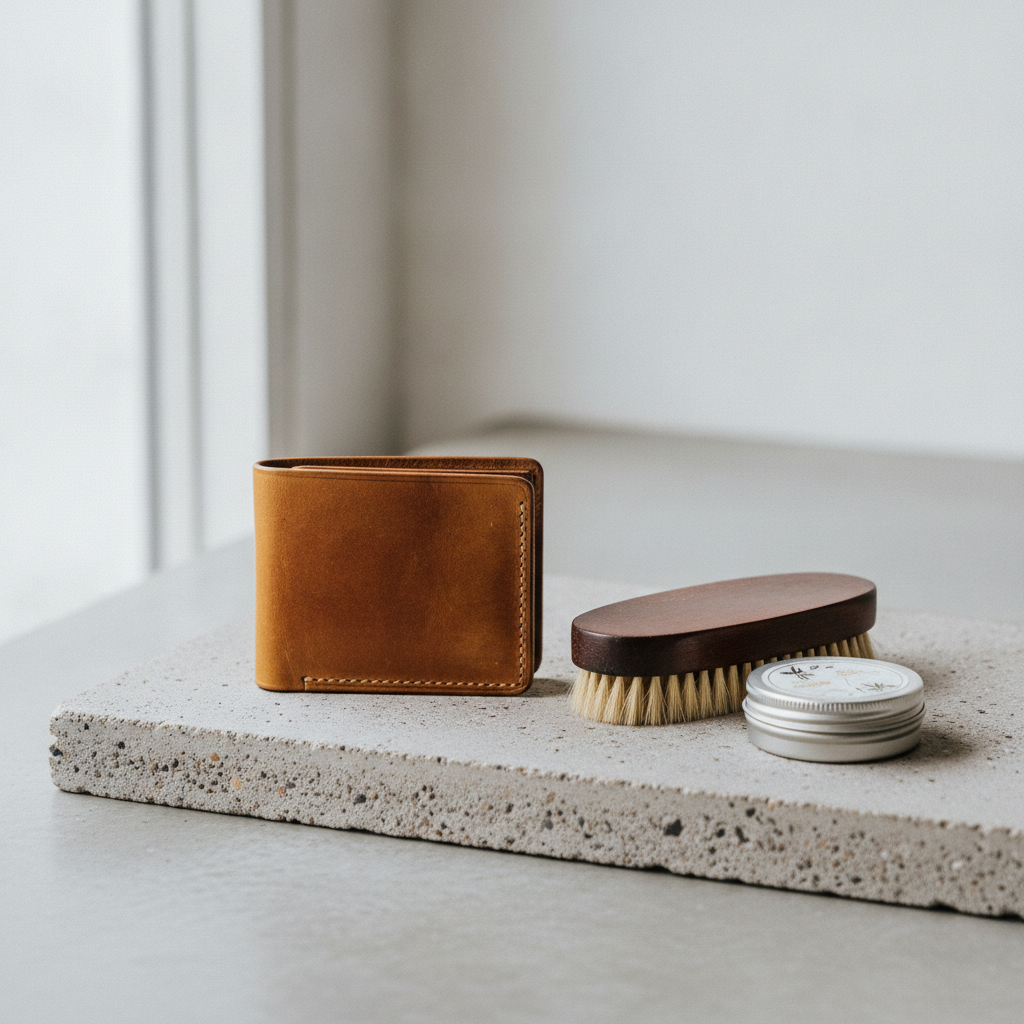
    1. Daily Dusting: Use a soft, natural horsehair brush to gently remove surface dust and debris. This simple act keeps the pores clear and encourages an even patina development, polishing the surface without abrasive action.
    2. Minimal Conditioning: Apply a high-quality, natural leather conditioner sparingly, only when the leather feels dry or stiff. For most daily-carry items, this might be once or twice a year, or even less frequently.
    3. Gentle Application: Dispense a pea-sized amount of conditioner onto a soft cloth. Apply in thin, even layers, working it into the leather in small circular motions. Allow it to absorb fully before buffing gently with a clean cloth.
    4. Proper Storage: When not in use, store your leather items in a breathable dust bag or a cool, dry place away from direct sunlight and extreme temperatures. Avoid plastic bags, which can trap moisture and prevent the leather from breathing.
    5. Embrace the Journey: Avoid the urge to over-condition or polish excessively. The true beauty of Japanese pit-tanned leather lies in its natural evolution and the unique character it develops through genuine use and minimal, intentional care.

    Japanese pit-tanned leather offers more than just a material; it provides a tangible connection to a philosophy of enduring quality and deliberate creation. It is a testament to the idea that some things are worth waiting for, worth the painstaking effort, to achieve true excellence.

    For those who seek items that grow richer with age, that tell a personal story through their evolving surface, this leather represents the pinnacle of craftsmanship. It is an investment not just in an object, but in a legacy of intentional living and lasting beauty.