Category: Slow Living

  • Deep Listening: The Enduring Allure of Japan’s Jazz Kissa

    Deep Listening: The Enduring Allure of Japan’s Jazz Kissa

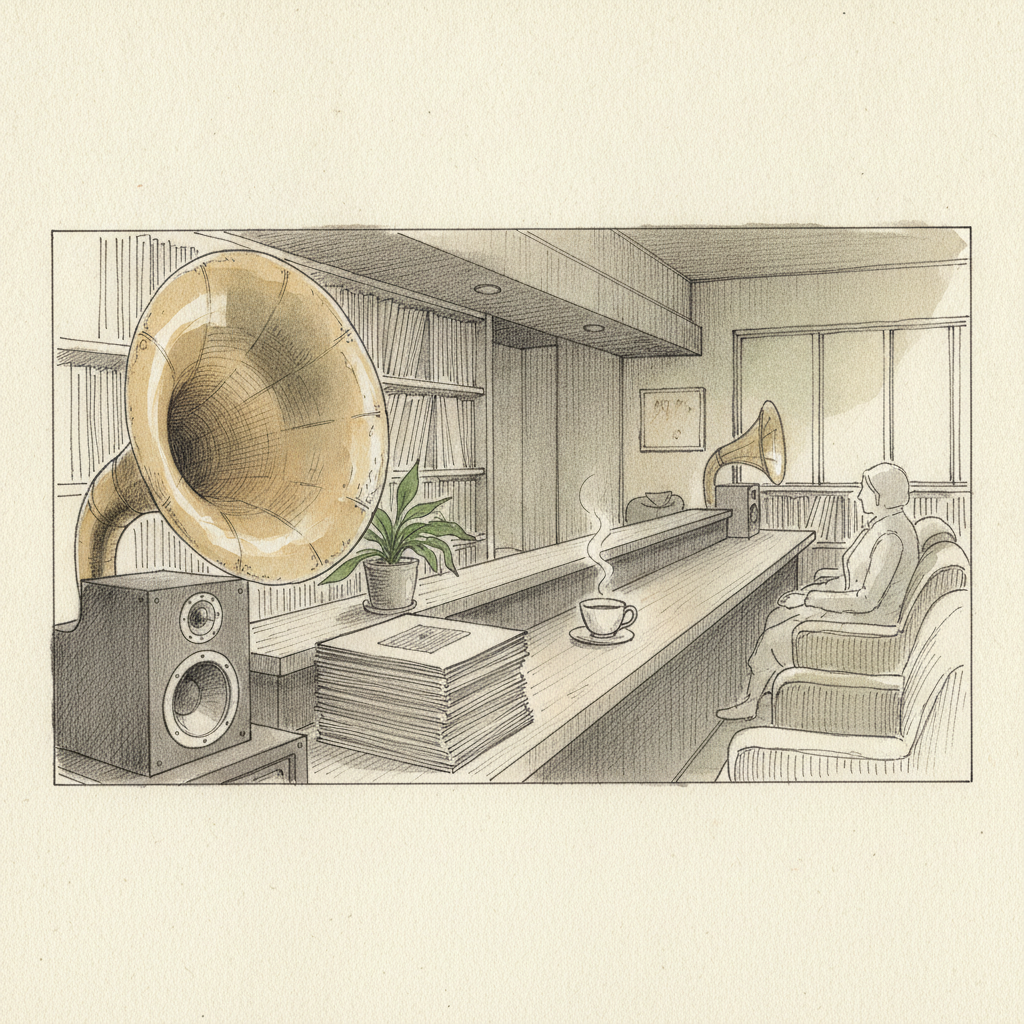
    In the hushed backstreets of Tokyo, beyond the neon flicker and hurried pace, a different rhythm persists. Here, behind unassuming doors, the jazz kissa offers sanctuary—a haven where time slows, and the singular purpose is to listen.

    These unique establishments, born from post-war scarcity and a deep reverence for music, cultivate an environment of profound acoustic immersion. They are not merely cafes, but temples dedicated to the analog ritual of sound.

    The Genesis of Deep Listening Spaces

    The jazz kissa emerged in post-war Japan as records were prohibitively expensive, yet a burgeoning appetite for Western jazz culture grew. Owners invested in extensive vinyl collections and high-fidelity sound systems, inviting patrons to experience music communally.

    This necessity fostered a culture of quiet appreciation. Conversation was discouraged, screens were absent, and the focus remained solely on the music. It was, and remains, a deliberate act of single-tasking in an increasingly fragmented world.

    “The jazz kissa is a testament to mindful presence. It’s a space where the external world fades, allowing the internal landscape to recalibrate through sound.”

    Analog Rituals: Sound, Focus, and Restoration

    The appeal of the jazz kissa lies in its deliberate analog experience. Vintage horn speakers, often towering and meticulously maintained, project a warm, enveloping sound that digital formats rarely replicate.

    This tangible warmth, combined with the tactile act of placing a needle on vinyl, engages the senses in a way that promotes focus. For remote workers and creatives, it offers a stark contrast to the digital noise, akin to the quiet concentration found in traditional Japanese craftsmanship.

    • Vinyl Warmth: The distinct sonic character of analog recordings, free from digital compression, provides a richer, more nuanced listening experience.
    • Vintage Horns: These speakers are chosen for their expansive soundstage and ability to reproduce music with a natural, uncolored fidelity.
    • Dim Lighting: Low illumination minimizes visual distractions, guiding attention towards the auditory landscape and fostering a contemplative mood.

    Cultivating a Focused Mindset

    The deliberate environment of a jazz kissa mirrors principles found in other Japanese practices that cultivate focus and presence. It’s about creating a ‘Ma’—a meaningful void or space—where clarity can emerge.

    Just as Ma and the Mindful Workspace: Cultivating Focus Through Japanese Minimalism explores, eliminating external stimuli allows for deeper engagement with the task at hand. Here, the task is simply to listen.

    1. Enter Quietly: Respect the hushed atmosphere upon entry, minimizing disruption to others.
    2. Order Simply: A coffee or tea is customary; focus remains on the music, not elaborate menus.
    3. Listen Actively: Resist the urge to speak or use devices. Allow the music to wash over you, noticing its textures and rhythms.

    Beyond the Kissa: Integrating Deep Listening

    The principles of the jazz kissa extend beyond its physical walls. They offer a blueprint for creating personal spaces conducive to deep work and focused attention, even for those navigating a digital existence.

    Consider how elements like curated soundscapes, intentional screen breaks, and analog tools—perhaps even Japanese stationery as explored in The Analog Advantage: Japanese Stationery as a Shield Against Digital Burnout—can restore mental bandwidth.

    This intentional approach to sound and space is not about escaping modernity, but about mastering it. It’s about carving out pockets of profound stillness, allowing the mind to wander and reconnect, one perfectly reproduced note at a time.

    Travel & Connectivity

    Planning field visits to regional workshops across Japan? We rely on Airalo digital eSIMs for reliable local data and seamless navigation without physical SIM swaps.
    Explore Airalo Japan eSIM Plans →

  • The Enduring Imperfection: Kintsugi, Mottainai, and a Life of Less

    The Enduring Imperfection: Kintsugi, Mottainai, and a Life of Less

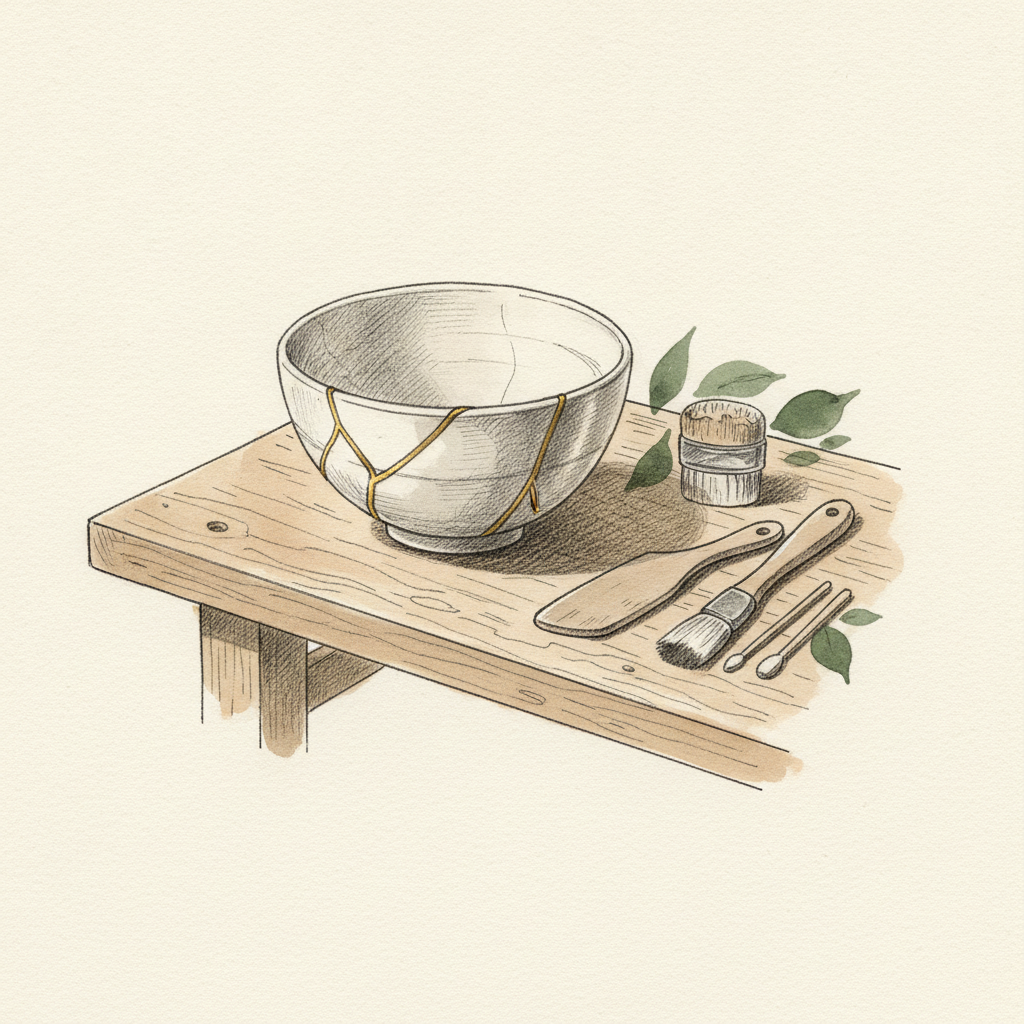
    In a small Kyoto workshop, a master carefully traces a hairline fracture with urushi lacquer, preparing it for a dusting of gold. This ancient practice, kintsugi, transforms breakage into a story of resilience, highlighting rather than hiding the mended seam. It is a quiet defiance against planned obsolescence.

    This reverence for repair extends beyond shattered ceramics, embodying a deeper Japanese philosophy. It speaks to a conscious engagement with objects, recognizing their inherent value and the resources invested in their creation. This mindset encourages a long-term relationship with our possessions.

    The Philosophy of Mottainai: Waste Not, Want Not

    Mottainai, a Japanese term encapsulating regret over waste, is more than mere frugality. It is a profound respect for resources, time, and effort—from the earth’s bounty to human labor. This principle guides choices toward durability and repairability.

    It encourages a shift from disposable convenience to mindful ownership, fostering a deeper connection with what we possess. Choosing well-made items, like those crafted from Japanese pit-tanned leather, aligns directly with this ethos.

    • Respect for Resources: Acknowledging the energy and materials embedded in every item.
    • Mindful Consumption: Prioritizing quality and longevity over transient trends.
    • Extended Lifespan: Embracing repair and maintenance as integral parts of ownership.

    Kintsugi as a Metaphor for Modern Living

    Kintsugi, literally ‘golden joinery,’ elevates an object’s history, scars and all. It suggests that imperfections do not diminish worth but rather add character and unique beauty. This aesthetic can inform our approach to modern goods.

    Instead of discarding, we can seek to understand and repair, fostering a unique narrative with each item. This process reduces the mental load of constant acquisition and disposal, freeing up cognitive space.

    “The broken piece, once discarded, becomes more valuable for having been mended. Its story is not one of flaw, but of enduring beauty.”

    Curating a Repairable Life: Reducing Decision Fatigue

    Choosing goods designed for repair inherently simplifies consumption. When an item can be fixed, the cycle of research, purchase, and disposal is significantly interrupted. This reduces decision fatigue.

    Consider the enduring appeal of Japanese carbon steel knives, which are maintained through sharpening rather than replaced. This intentional choice supports a more sustainable and less mentally taxing lifestyle.

    1. Assess Durability: Prioritize materials and construction built to last.
    2. Identify Repairability: Look for items with accessible parts or repair services.
    3. Learn Basic Maintenance: Embrace simple care routines to extend item life.
    4. Seek Artisanal Quality: Support makers who value longevity and craftsmanship.

    The Quiet Joy of Long-Term Attachment

    When we invest in repairing an object, we deepen our relationship with it. The mended crack or the carefully stitched tear becomes a testament to shared history and care. This fosters a profound sense of attachment.

    This attachment stands in stark contrast to the fleeting satisfaction of new purchases. It cultivates appreciation for the familiar, reinforcing a sense of contentment with what one already possesses. This is a path toward owning less, but valuing more.

    Embracing kintsugi and mottainai in daily life is a subtle act of resistance against the disposable. It is a conscious choice to slow down, to engage with our material world more thoughtfully, and to find beauty in continuity.

    This approach cultivates a richer, more intentional existence, where objects are not just tools or status symbols, but companions on a longer journey. It is a quiet testament to enduring value over fleeting novelty.

  • The Okinawan Rhythm: Sustaining Focus Through Japanese Recovery

    The Okinawan Rhythm: Sustaining Focus Through Japanese Recovery

    The soft light of a spring morning filters through shoji screens in Okinawa, a rhythm of life unfolding with quiet intention. Here, longevity is not merely a genetic lottery but a carefully cultivated art, woven into daily habits that nurture both body and mind.

    This island wisdom offers a compelling counter-narrative to the relentless pursuit of peak performance. It suggests that true endurance comes not from constant output, but from intelligent, integrated recovery.

    Hara Hachi Bu: The 80% Principle

    At the heart of Okinawan dietary practice is hara hachi bu, the principle of eating until one is 80 percent full. This mindful approach to nutrition avoids the energy crash often associated with overeating, maintaining a steady metabolic rhythm throughout the day.

    It is a practice of subtle restraint, fostering a harmonious relationship with food rather than a strict regimen. The goal is to feel satisfied, never overly stuffed, leaving room for the body to digest with ease.

    • Mindful Portioning: Serving smaller amounts, allowing for a second helping if truly needed, rather than starting with an overflowing plate.
    • Slow Eating: Chewing thoroughly and pausing between bites allows the body time to register fullness, typically around 20 minutes.

    Post-Meal Movement & Green Tea Rituals

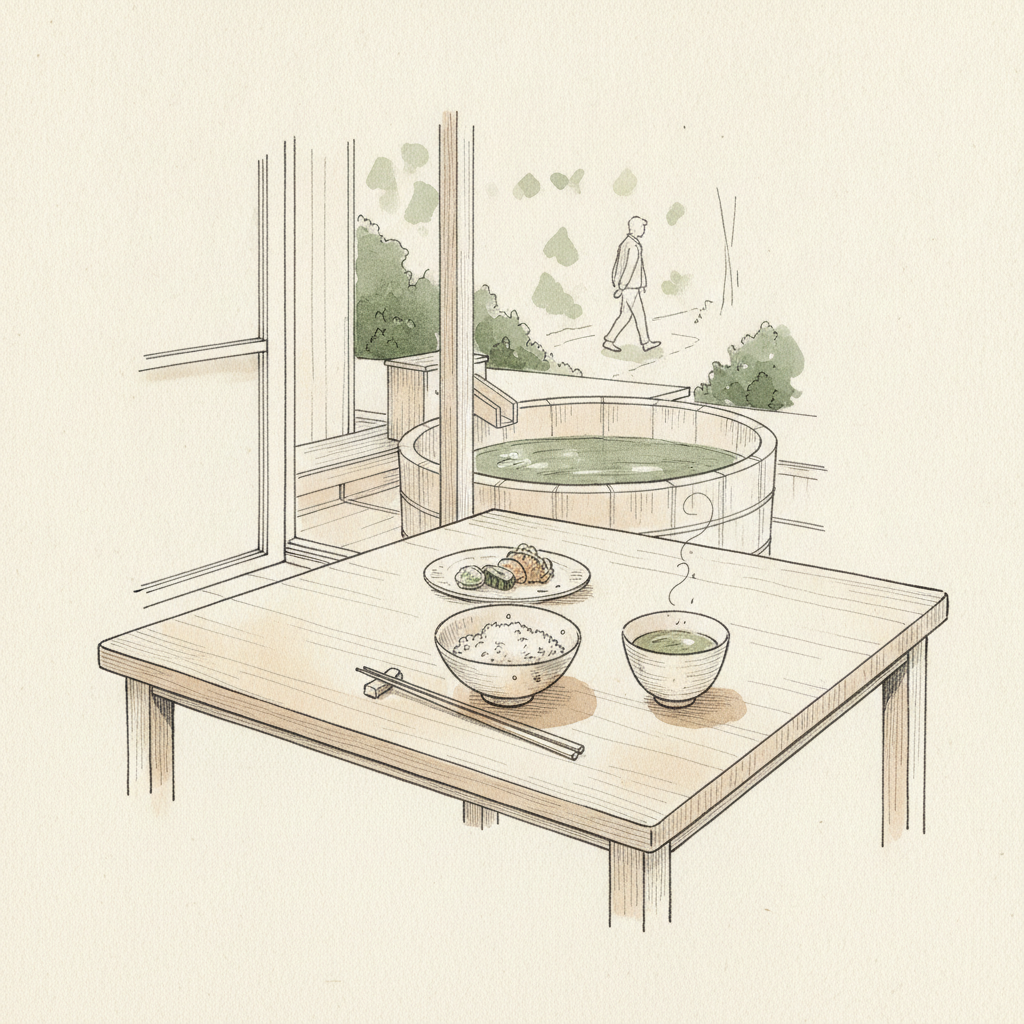
    Immediately after a meal, Okinawans often engage in a short, gentle walk. This simple habit aids digestion, regulates blood sugar, and prevents the post-lunch slump that can derail an afternoon’s work.

    This gentle movement is a profound contrast to the sedentary habits prevalent in many modern workplaces. It’s a quiet recalibration, preparing the mind for renewed focus, much like the precise preparation of a workspace described in Ma and the Mindful Workspace: Cultivating Focus Through Japanese Minimalism.

    Following this, a cup of green tea, particularly matcha or sencha, is common. The L-theanine in green tea provides a calm, sustained alertness without the jitters of excessive caffeine, supporting deep cognitive work.

    “True productivity is not about working harder, but about working smarter, and resting with greater intention.”

    • L-theanine Benefits: Promotes alpha brain waves, associated with relaxed alertness and improved focus, ideal for sustained concentration.
    • Timing: Consume green tea 30-60 minutes after a meal to aid digestion and leverage L-theanine’s calming effects.

    Ofuro: The Evening Bathing Ritual

    As evening approaches, the Japanese bathing ritual, ofuro, becomes central to recovery. This deep soak in hot water, often preceded by a thorough wash, is more than hygiene; it is a profound act of physical and mental unwinding.

    This practice signals to the body and mind that the day’s demands are receding, preparing for restorative sleep. The warmth penetrates muscles, releasing tension, and calming the nervous system.

    1. Preparation: Cleanse the body thoroughly with soap and water outside the tub before entering.
    2. Soak: Immerse yourself in hot water (typically 38-42°C or 100-108°F) for 15-20 minutes, allowing the heat to relax muscles and open pores.
    3. Mindfulness: Use this time for quiet reflection, detaching from the day’s events, and focusing on breath.

    Measuring Recovery: HRV and Deep Sleep

    For health-conscious individuals tracking metrics like Heart Rate Variability (HRV) and deep sleep, these Japanese recovery habits offer measurable benefits. Consistent ofuro can significantly improve deep sleep cycles, reducing sleep latency and increasing restorative phases.

    The combination of hara hachi bu, post-meal walks, green tea, and ofuro works synergistically. It creates a holistic system that supports the parasympathetic nervous system, leading to higher HRV scores—an indicator of better recovery and resilience, essential for founders and remote professionals engaged in intentional work, much like the continuous improvement cycles discussed in The Solopreneur’s Kaizen: Adapting Toyota’s Continuous Improvement for One-Person Operations.

    The quiet wisdom of Okinawa reminds us that sustaining deep focus is not about pushing harder, but about cultivating a life balanced with intentional pauses. These everyday practices, refined over generations, offer a gentle yet powerful path to enduring vitality.

    They are a subtle invitation to integrate moments of thoughtful recovery, transforming the ordinary into a profound act of self-care and sustained presence.