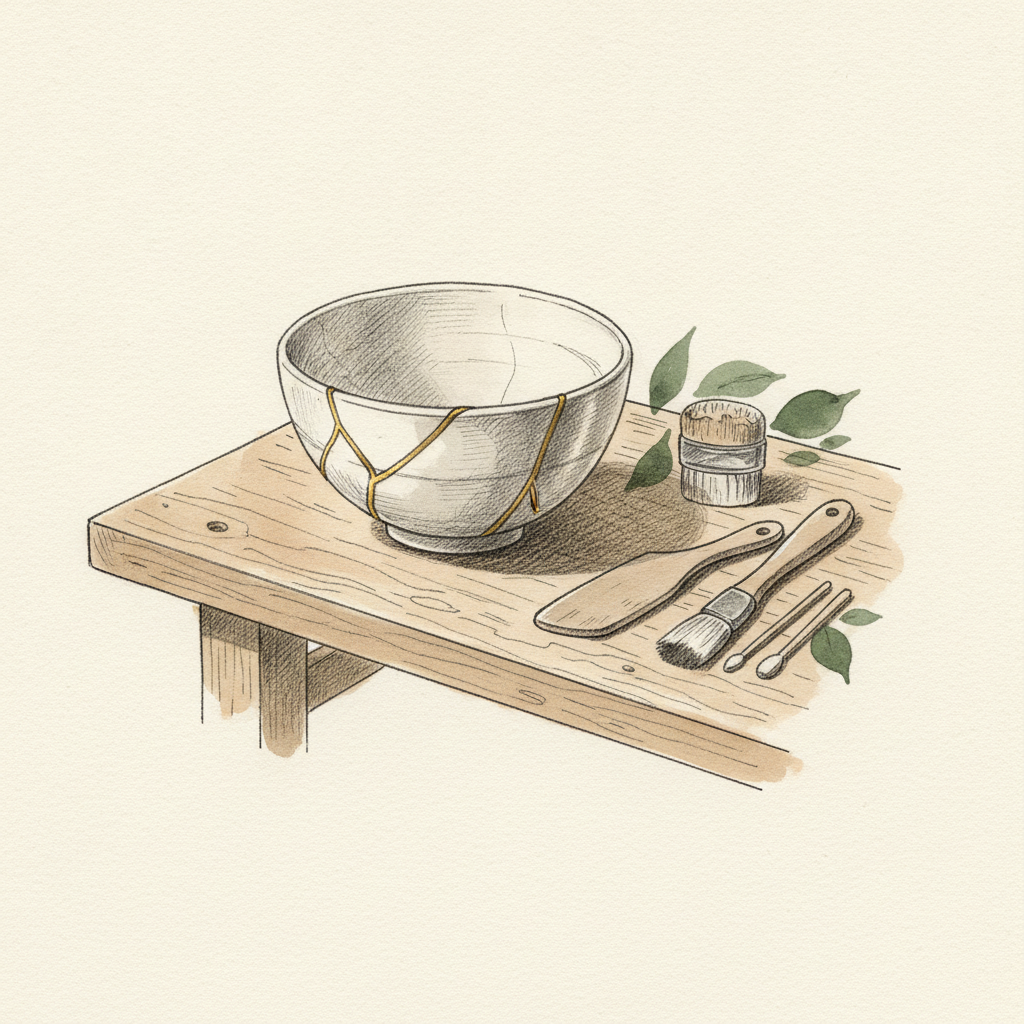
In a small Kyoto workshop, a master carefully traces a hairline fracture with urushi lacquer, preparing it for a dusting of gold. This ancient practice, kintsugi, transforms breakage into a story of resilience, highlighting rather than hiding the mended seam. It is a quiet defiance against planned obsolescence.
This reverence for repair extends beyond shattered ceramics, embodying a deeper Japanese philosophy. It speaks to a conscious engagement with objects, recognizing their inherent value and the resources invested in their creation. This mindset encourages a long-term relationship with our possessions.
The Philosophy of Mottainai: Waste Not, Want Not
Mottainai, a Japanese term encapsulating regret over waste, is more than mere frugality. It is a profound respect for resources, time, and effort—from the earth’s bounty to human labor. This principle guides choices toward durability and repairability.
It encourages a shift from disposable convenience to mindful ownership, fostering a deeper connection with what we possess. Choosing well-made items, like those crafted from Japanese pit-tanned leather, aligns directly with this ethos.
- Respect for Resources: Acknowledging the energy and materials embedded in every item.
- Mindful Consumption: Prioritizing quality and longevity over transient trends.
- Extended Lifespan: Embracing repair and maintenance as integral parts of ownership.
Kintsugi as a Metaphor for Modern Living
Kintsugi, literally ‘golden joinery,’ elevates an object’s history, scars and all. It suggests that imperfections do not diminish worth but rather add character and unique beauty. This aesthetic can inform our approach to modern goods.
Instead of discarding, we can seek to understand and repair, fostering a unique narrative with each item. This process reduces the mental load of constant acquisition and disposal, freeing up cognitive space.
“The broken piece, once discarded, becomes more valuable for having been mended. Its story is not one of flaw, but of enduring beauty.”
Curating a Repairable Life: Reducing Decision Fatigue
Choosing goods designed for repair inherently simplifies consumption. When an item can be fixed, the cycle of research, purchase, and disposal is significantly interrupted. This reduces decision fatigue.
Consider the enduring appeal of Japanese carbon steel knives, which are maintained through sharpening rather than replaced. This intentional choice supports a more sustainable and less mentally taxing lifestyle.
- Assess Durability: Prioritize materials and construction built to last.
- Identify Repairability: Look for items with accessible parts or repair services.
- Learn Basic Maintenance: Embrace simple care routines to extend item life.
- Seek Artisanal Quality: Support makers who value longevity and craftsmanship.
The Quiet Joy of Long-Term Attachment
When we invest in repairing an object, we deepen our relationship with it. The mended crack or the carefully stitched tear becomes a testament to shared history and care. This fosters a profound sense of attachment.
This attachment stands in stark contrast to the fleeting satisfaction of new purchases. It cultivates appreciation for the familiar, reinforcing a sense of contentment with what one already possesses. This is a path toward owning less, but valuing more.
Embracing kintsugi and mottainai in daily life is a subtle act of resistance against the disposable. It is a conscious choice to slow down, to engage with our material world more thoughtfully, and to find beauty in continuity.
This approach cultivates a richer, more intentional existence, where objects are not just tools or status symbols, but companions on a longer journey. It is a quiet testament to enduring value over fleeting novelty.
Leave a Reply